|
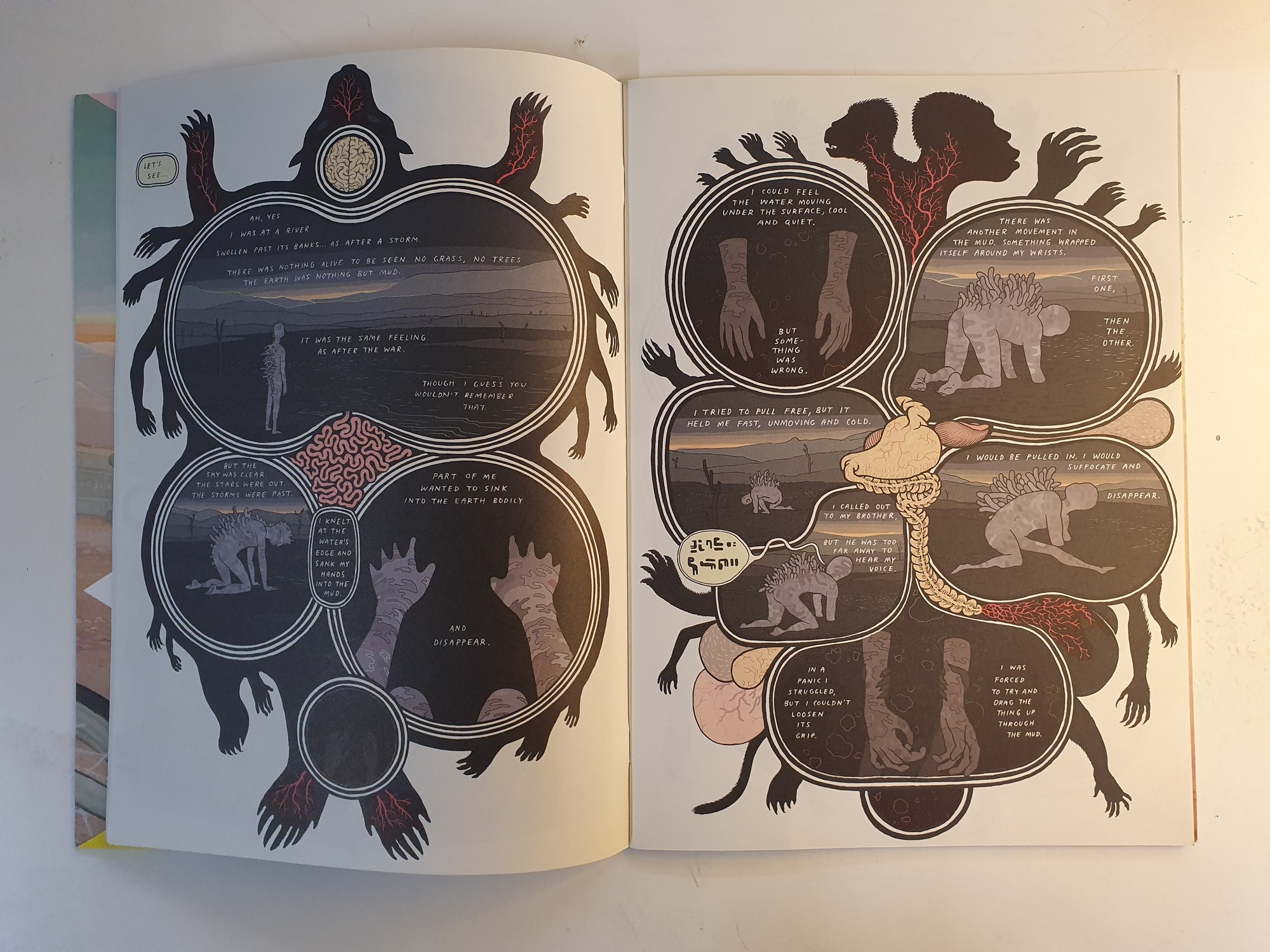
Toneves Englisch 5.00 CHF ISBN: 978-6070867666 |
|
|
Auch Teil des Konvoluts «5 Bücher aus Comics» |
|
    |
|
|
Okay, let's delve into the world of Tolstoy's *Tonev* (also known as *The Book of the Soul*). It's a profoundly complex and challenging novel, often described as a philosophical and psychological exploration of the human condition. Here's a breakdown of its key aspects: **1. The Core Concept: The "Soul" and its Journey** * **The Premise:** The novel centers around a young, somewhat melancholic man named *Kuzma* who is plagued by a deep, persistent sadness and a sense of profound emptiness. He's essentially trapped in a state of perpetual mourning. * **The "Soul":** The central idea is that the soul is not a fixed entity, but a constantly evolving, fragmented, and often painful experience. It's a process of becoming, of recognizing and confronting the past, and of accepting the inevitable. Kuzma's sadness isn't simply a feeling; it's a manifestation of this ongoing process. * **The "Book":** The novel is structured around a series of "books" - each representing a different stage of Kuzma's soul's journey. These books aren't simply narrative stories; they are meticulously crafted, symbolic representations of his emotional and psychological struggles. **2. The Structure and Key Books:** The novel is divided into 12 books, each representing a different stage of Kuzma's soul's development. Here's a brief overview of the major books and their themes: * **Book 1: The Shadow of the Past:** Introduces Kuzma and his initial state of grief and despair. It's a bleak and unsettling beginning. * **Book 2: The Memory of the Past:** Focuses on Kuzma's attempts to grapple with his childhood trauma and the lingering effects of his past. It's a painful and often disturbing exploration of his family history. * **Book 3: The Search for the Self:** Kuzma begins to seek answers and understanding, attempting to define himself and his place in the world. This is a crucial book for understanding his eventual transformation. * **Book 4: The Illusion of the Self:** Kuzma is confronted with the idea that he is a construct, a projection of his own memories and emotions. This is a pivotal moment of realization. * **Book 5: The Truth of the Soul:** This is arguably the most famous book. It's a deeply symbolic and unsettling exploration of the nature of the soul, the limitations of human perception, and the possibility of transcendence. It's filled with bizarre imagery and philosophical questions. * **Book 6: The Return of the Self:** Kuzma begins to understand that the soul is not a static entity, but a dynamic process of becoming. He starts to accept his own limitations and imperfections. * **Book 7: The Dream of the Forest:** A surreal and symbolic journey through a forest, representing Kuzma's subconscious and his attempts to escape his pain. * **Book 8: The Return of the Shadow:** Kuzma confronts his deepest fears and insecurities, realizing that the shadow within him is a necessary part of his being. * **Book 9: The Awakening:** Kuzma experiences a profound shift in his understanding of himself and the world. He begins to see the interconnectedness of all things. * **Book 10: The Journey to the Other Side:** Kuzma travels to a distant, otherworldly place, representing a state of complete integration with the soul. * **Book 11: The Return of the Soul:** Kuzma returns to his own world, but he is fundamentally changed. He has gained a new perspective on life and death. * **Book 12: The Final Book:** A quiet and contemplative ending, suggesting that the journey of the soul is an ongoing process, and that true peace can only be found through acceptance and understanding. **3. Key Themes:** * **The Nature of the Soul:** Tolstoy's novel is fundamentally concerned with the nature of the soul - its origins, its function, and its relationship to the human experience. * **The Burden of the Past:** The novel explores the ways in which the past can haunt us and shape our present. * **The Illusion of Self:** Kuzma's journey is a profound exploration of the limitations of human perception and the dangers of clinging to a fixed sense of self. * **Acceptance and Transcendence:** The novel suggests that true peace and fulfillment can only be found through acceptance of the inevitable and a willingness to transcend the limitations of the self. * **The Power of Symbolism:** Tolstoy uses a rich and complex system of symbolism to convey his philosophical ideas. **4. Style and Tone:** * **Dense and Complex:** *Tonev* is notoriously difficult to read. It's written in a highly stylized and often fragmented style. * **Philosophical and Psychological:** It's a deeply philosophical novel that delves into the complexities of the human psyche. * **Atmospheric and Evocative:** Tolstoy's prose is incredibly evocative, creating a vivid and unsettling atmosphere. * **Ambiguous:** The novel doesn't offer easy answers or resolutions. It's meant to provoke thought and reflection. **5. Why it's Important:** * **A Landmark of Modernism:** *Tonev* is considered a cornerstone of modernism in Russian literature. It's a challenging but rewarding read that pushes the boundaries of narrative and explores profound philosophical questions. * **Influence on Literature and Philosophy:** The novel has had a lasting influence on subsequent writers and thinkers, inspiring countless interpretations and analyses. **Resources for Further Reading:** * **The Norton Anthology of Russian Literature:** Provides a good overview of the novel and its context. * **Online Resources:** Numerous websites and articles offer analyses and interpretations of *Tonev*. Search for "Tonev Tolstoy" on sites like Wikipedia, Literary Hub, and The Guardian. --- **To help me tailor my response further, could you tell me:** * What specifically are you interested in learning about *Tonev*? (e.g., the symbolism, the structure, a particular book, its philosophical implications |
|